Dream Book: A Playful Display Font for Small Business Branding
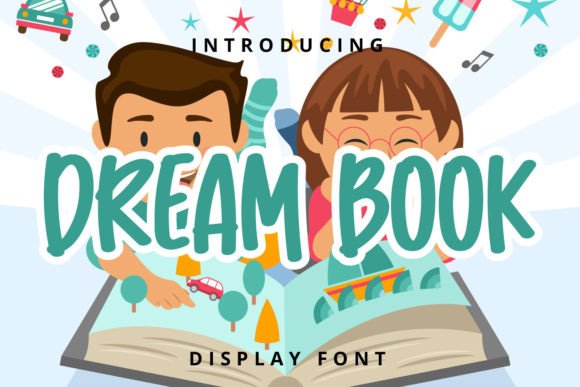
Last month, I sat at my kitchen table with a stack of brown kraft labels, a jar of vanilla bean sugar scrub, and the nagging feeling that something about my packaging still looked… unfinished. The product was solid. The photography was decent. But the tag itself felt flat. That is when I finally stopped ignoring the one thing I had been putting off for months: typography. I needed a display font that could carry the personality of my little bath and beauty brand without feeling stiff or corporate. That search brought me to Dream Book, a fun, cute, and friendly display font that instantly changed how my labels look and feel. If you are a small business owner trying to make your brand visuals more consistent and memorable, I think this font deserves a real look.
Dream Book for Children's Product Packaging and Labels
One of the first things I noticed about Dream Book is how naturally it fits into children's activity packaging and school project materials. That makes perfect sense given the description of this Display font as playful, authentic, and friendly. But here is the thing—I do not sell children's products. I sell handmade bath salts and body butters. Yet the warmth of Dream Book translated beautifully onto my labels. It gave my jars a cheerful, approachable feel that customers kept mentioning in reviews. If you design anything for kids, from flashcards to sticker packs to birthday party favors, this typeface instantly signals fun and safety. It feels handmade in the best way, like someone sat down with a marker and drew each letter with care. That authenticity matters when a parent is choosing a product for their child.
Using Dream Book in Logo Design and Brand Identity
When I first started my business, I thought any font would work for a logo. I was wrong. A logo needs to be readable at small sizes, memorable at first glance, and flexible across different materials. Dream Book works well for logo design because it has a distinct personality without being overly decorative. The letterforms are rounded, friendly, and easy to recognize even when scaled down on a business card or Instagram avatar. For a small business like mine, that means I can use the same font on my website header, my product tags, and my email signature without losing consistency. Your brand identity becomes stronger when each piece of your collateral whispers the same visual language. Dream Book gives you that unified voice from day one.
Dream Book on Social Media Graphics and Digital Ads
Social media moves fast. A user scrolls past your post in less than a second, so your text needs to grab attention immediately. I started using Dream Book for my Instagram story titles and Facebook ad headlines, and the response surprised me. More people commented on how "cute" and "friendly" my graphics looked. The font's playful curves work beautifully on mobile screens because they are open and easy to read. Even at smaller sizes, like the thumbnail of a reel or the corner of a carousel post, the words remain clear. If you run digital ads for a children's boutique, a bakery, or a handmade shop, Dream Book adds that touch of warmth that stops the scroll. Pair it with a clean sans serif font for body copy, and you have a winning combination that feels polished but not overdesigned.
Pairing Dream Book with a Clean Sans Serif Font for Balance
No single font can do everything well, and Dream Book is no exception. This Display font shines in headlines, short phrases, and decorative accents, but for long paragraphs or product descriptions, you will want a simpler partner. I pair Dream Book with a clean sans serif font like Lato or Montserrat for ingredient lists, shipping policies, and about pages. The contrast is beautiful. The sans serif provides structure and readability, while Dream Book brings the personality. Think of it as your brand's signature—use it where you want to make an impression, not where you need to convey dense information. For a café menu, you might set the item names in Dream Book and the descriptions in a simple serif font. For a candle label, use Dream Book for the scent name and a light sans serif for the burn time details. This kind of thoughtful pairing makes your brand look intentional and professional without feeling stiff.
Dream Book for Bakery Boxes and Cute Product Labels
I have a friend who runs a small home bakery, and she struggles with the same problem I did: her cookies tasted amazing, but her packaging looked like an afterthought. She tried using Dream Book on her box labels, and the difference was immediate. The font's friendly curves matched the homemade feel of her treats perfectly. For bakery boxes, Dream Book works well because it feels warm and inviting. It says, "Someone made this with love," rather than "This came from a factory." If you sell jam, honey, granola, or any handcrafted food item, try using Dream Book for your product names or flavor descriptions. The playful authenticity of the font will make your packaging feel approachable and trustworthy. Customers are more likely to remember a brand that makes them smile, and Dream Book delivers that warmth in every letter.
Choosing Dream Book for Cafe Menus and Flyers
A café menu is a tricky design challenge. It needs to be readable from a few feet away, organized enough to navigate quickly, and charming enough to reflect the café's atmosphere. Dream Book works beautifully for menu headers, drink names, and specials boards. The rounded letterforms feel welcoming, which is exactly the mood you want in a cozy coffee shop. For a flyer announcing a new seasonal latte or a weekend brunch special, Dream Book draws attention without screaming. It feels like a handwritten note from the owner, which builds trust and connection. I have seen small cafés use this font on their chalkboard-style signs and reusable menu boards, and the results look both professional and personal. That balance is hard to achieve with standard system fonts.
Dream Book Commercial Licensing for Small Business Products
Before you start using any font on your products, packaging, or merchandise, you need to check the commercial licensing. This is one of the most important steps that small business owners often overlook. Dream Book comes with clear licensing terms that allow you to use it for your business materials, but you should confirm whether your specific use case is covered. Are you printing labels for products you sell? Yes, that requires a commercial license. Are you creating templates or digital downloads for clients? That may require an extended license. The good news is that premium fonts like Dream Book are designed with small businesses in mind, so the licensing is straightforward. Always read the details before you hit download. It protects you and respects the work of the type designer who created the font.
How Dream Book Makes Your Brand Look More Professional
There is a misconception that playful fonts cannot look professional. I believed that too, until I actually put Dream Book on my product labels and saw the results. Professionalism is not about being serious or plain. It is about being consistent, intentional, and easy to recognize. When you choose a Display font like Dream Book and use it consistently across your logo, packaging, social media, and website, your brand starts to feel cohesive. Customers notice when your visuals look like they belong together. That consistency builds trust, and trust leads to repeat purchases. For a small business owner, that is everything. You do not need a giant marketing budget to look polished. You just need thoughtful design choices, starting with the right typography.
Dream Book for Handmade Product Tags and Stickers
One of my favorite uses for Dream Book is on product tags and stickers. These small details are often the first physical touchpoint a customer has with your brand, so they need to make a good impression. A tag hanging from a handmade candle or a sticker on a soap wrapper is tiny, but it carries a lot of weight. Dream Book remains readable at small sizes because the letterforms are open and well-spaced. I print my tags at home on matte paper, cut them with scissors, and string them with natural twine. The font gives them a charming, handmade look that feels authentic to my brand. If you sell at craft fairs or farmers markets, your tags and stickers are your business cards. Make them count.
Dream Book in Logo Design and Brand Identity for Online Shops
Running an online shop means your typography has to work hard. Your logo appears in your shop header, your product images, your social media profiles, and your email newsletters. It needs to look good everywhere. Dream Book excels in this role because its personality translates well across different formats. It is not so decorative that it becomes unreadable on a small mobile screen, yet it is distinctive enough to be memorable. For an online shop selling handmade kids' toys, children's books, or educational materials, Dream Book is a natural fit. But even for shops in other niches, like beauty or home decor, the font adds a layer of warmth that helps customers feel connected to your brand. That emotional connection is what turns a first-time buyer into a loyal customer.
Readability Tips for Small Labels and Mobile Screens
When using Dream Book on small labels or mobile screens, keep a few practical tips in mind. First, give your text enough breathing room. Do not cram letters together or place them over busy backgrounds. Second, use Dream Book for short pieces of text like product names, headings, and slogans. Save long paragraphs for a simpler sans serif font. Third, test your design at actual size. Print a label and hold it in your hand. Preview your social media graphic on a phone screen. If the text is hard to read, increase the font size or simplify the background. Dream Book is a Display font, which means it is designed to make a statement in headlines and short phrases, not in blocks of body copy. When you respect that strength, the font will serve your brand beautifully.
Dream Book Font Pairing Ideas for a Polished Look
Building a font pairing around Dream Book is surprisingly easy. Because the font has such a distinct personality, you want to pair it with something that supports without competing. A clean sans serif font like Open Sans, Work Sans, or Nunito works well for body text. If you prefer a more elegant look, try a light serif font like EB Garamond or Cormorant for product descriptions. For a whimsical touch, pair Dream Book with a simple handwritten font that shares its friendly tone. The key is contrast. Let Dream Book be the star of your headlines and let the secondary font handle the details. I use Dream Book for my product names and a simple sans serif for ingredient lists and care instructions. The combination feels intentional and balanced, and it keeps my packaging from looking chaotic.
Checking Included Styles, File Formats, and Multilingual Support
Before you commit to a font, take a few minutes to check what is included in the package. Does Dream Book come with alternate characters or ligatures? Some versions of the font include multiple stylistic sets that let you customize the look of certain letters. Are there different weights, like regular, bold, or outline? Having options gives you more flexibility in your designs. File format matters too. Make sure the font is available in formats that work with your design software, whether that is OpenType for desktop use or Webfont formats for your website. If you serve a multilingual audience, check whether Dream Book supports the characters you need, like accented letters or special punctuation. These details might seem small, but they can save you hours of frustration later. Download the font from a trusted source, read the description carefully, and you will be ready to design with confidence.
Looking back, I wish I had found Dream Book sooner. My early packaging was functional but forgettable. Now my labels feel like an extension of my brand's personality. They make customers smile, and that smile often turns into a sale. If you are ready to give your small business visuals a simple, affordable upgrade, start with your typography. A Display font like Dream Book can be the one change that makes your brand finally feel like you.