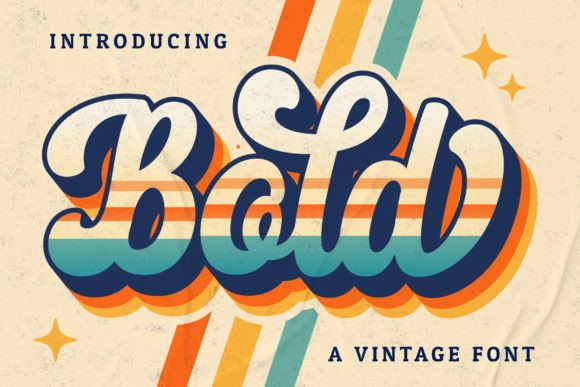
Bold Script: A Vintage Script Font for Digital Branding and Web Design
When you are building a digital identity that needs immediate character, a bold script font can set the tone faster than any color palette. Bold Script is a cool, vintage-style script font that brings a retro feel to modern interfaces. As a Script Handwritten typeface, it adds personality without sacrificing clarity—something every web designer and UI creator looks for in a premium display font. Whether you work on landing pages, online stores, or brand assets, understanding how to use Bold Script effectively in digital environments can elevate your layouts and improve how users connect with your content.
Using Bold Script in Website Headers and Hero Sections
The hero section of a website is the first impression. A script font like Bold Script works especially well in hero titles because its bold weight ensures the letterforms remain readable even at large sizes. The vintage script style immediately communicates warmth, craftsmanship, and a sense of nostalgia. For a boutique hotel site or a handcrafted goods store, placing Bold Script in the main heading creates a memorable visual anchor. Pair it with a clean sans serif font in the supporting text to keep the layout balanced. On landing pages where trust and emotion matter, the handwritten quality of the font can make the brand feel approachable and human.
When designing hero sections with Bold Script, consider using it for the primary headline only. The font’s decorative nature works best as the focal point. Use a simple sans serif for the subheading and button text. This combination respects visual hierarchy—users scan the bold script first, then move to the supporting copy. On dark backgrounds, Bold Script retains its impact because of its thick strokes, and on light backgrounds, the vintage texture stands out clearly. Always test the font at different viewport sizes to ensure the script details remain crisp on mobile devices.
Bold Script for Landing Page Conversion and Call-to-Action Areas
Conversion-focused layouts depend on clear, compelling call-to-action text. While script fonts are not always recommended for buttons due to readability concerns, Bold Script’s bold weight changes that calculation. The font is heavy enough to work in short CTA phrases like “Get Started,” “Join Us,” or “Shop Now.” When used on a button, keep the copy short—two to three words maximum. The vintage script style adds a handcrafted feel that can increase click-through rates on creative product landing pages, course sales pages, or membership sites.
For maximum impact, place Bold Script in the headline of a landing page and repeat the same font in the button text for consistency. This creates a unified brand voice. On a coaching website, for example, the hero could read “Find Your Creative Flow” in Bold Script, followed by a “Start Your Journey” button in the same typeface. The repetition reinforces the retro brand tone without overwhelming the user. Just ensure the button has enough padding and contrast—avoid placing script text over busy background images unless you add a subtle overlay.
How Bold Script Enhances Visual Hierarchy in Digital Layouts
Visual hierarchy in web design relies on contrasting type sizes, weights, and styles. Bold Script serves as a natural accent within any typographic system because its script style stands apart from conventional serif and sans serif fonts. Use it sparingly—reserve the font for the most important elements: main headings, logo text, pull quotes, or decorative section dividers. This ensures the vintage script character draws attention exactly where you want it.
On blog graphics and social media banners, Bold Script can act as an entry point that guides the eye downward through the layout. In digital ad creatives, the font’s bold strokes ensure legibility even at smaller sizes used in banner ads. For course pages, a headline in Bold Script above a sans serif course description creates a natural scanning pattern. The key is contrast. Pair Bold Script with a simple sans serif like Open Sans or Montserrat for body copy. If you want a more editorial digital identity, consider a serif font for the body text—this combination gives a sophisticated vintage feel.
Bold Script for Online Store Banners and Product Pages
E-commerce sites need typography that drives action. Bold Script works beautifully on online store banners because it evokes a sense of nostalgia and quality. Use it for seasonal sale headers, product collection titles, or brand story sections. For a boutique clothing store, a banner reading “Spring Collection” in Bold Script instantly communicates a handpicked, artisanal feel. The font also pairs well with product photography—its bold curves stand out against both clean white backgrounds and textured editorial images.
On product pages, avoid using Bold Script for long descriptions or specifications. Reserve it for the product name or a short tagline. This maintains the font’s impact while keeping the page readable. For example, a handcrafted soap brand could use Bold Script for the product title “Lavender & Honey” and set the ingredients list in a simple sans serif. This separation helps users quickly identify the product and then scan for details. Always test the font on mobile product pages where screen real estate is limited—Bold Script works best when given enough space, so avoid placing it in crowded sidebars.
Pairing Bold Script with Sans Serif and Serif Fonts for Web Typography
Successful font pairing is essential for consistent online identity. Bold Script, being a display script font, requires a neutral partner that won’t compete for attention. A lightweight sans serif font like Lato or Roboto provides a clean counterpoint. The sans serif handles body text, navigation menus, and secondary headings while Bold Script adds flair to primary elements. For brands that want a more editorial look, pair Bold Script with a classic serif like Playfair Display or Georgia. The serif font brings a sense of tradition that complements the vintage script style.
When pairing, consider the weight. Bold Script is already bold, so the companion font should have regular or light weights to maintain contrast. In a digital brand kit, you might define Bold Script for logo and hero headings, a sans serif for body and buttons, and a serif for pull quotes or testimonials. This layered approach builds a rich typographic hierarchy without confusion. Also check if Bold Script includes alternate characters or swashes—these can be used to customize logo text or decorative accents without needing additional fonts.
Readability Tips for Bold Script on Mobile Screens and Responsive Layouts
Mobile-first design requires careful typography choices. While Bold Script is a bold font, script styles can lose detail on small screens if not sized properly. Keep a minimum font size of 24px for Bold Script on mobile viewports to preserve the handwritten character. Avoid using it for long paragraphs or navigation links. The font shines in short headlines and single words. For responsive layouts, use CSS media queries to scale the font size progressively on larger screens.
On image overlays, add a semi-transparent background or text shadow to maintain contrast. Bold Script’s bold strokes help, but a strong contrast ratio between text and background is still vital. On dark backgrounds, white or light-colored Bold Script text works well. On light backgrounds, dark charcoal or deep brown colors align with the vintage aesthetic. Always test the font on actual devices—what looks readable on a desktop might feel cramped on a phone. If Bold Script includes multiple weights or styles, use the boldest version for small screens to ensure legibility.
Commercial Licensing for Bold Script in Client Projects and Digital Products
Using Bold Script in web design projects requires attention to licensing. Most premium fonts, including Script Handwritten typefaces like Bold Script, come with different license tiers. For a single website or a client project, a standard desktop or webfont license usually suffices. If you plan to embed the font in a digital product such as a template or a mobile app, check for app embedding or ebook licensing. Always read the license agreement to confirm how many domains or projects are covered.
For designers working with multiple clients, consider an extended license that covers commercial use across several websites. This saves time and ensures compliance. When using Bold Script in online stores or landing pages, verify that the license includes web use. Many font foundries offer clear licensing options for digital design assets. Including proper @font-face embedding or using a font delivery service ensures the font loads correctly on all devices. Licensing may also cover specific file formats like OTF, TTF, WOFF, and WOFF2—confirm these are included before purchasing.
Bold Script is a versatile addition to any web designer’s typography toolkit. Its vintage script style brings warmth and personality to digital interfaces while maintaining readability through its bold weight. Whether you are designing a wedding invitation landing page, a boutique online store, a coaching website, or a digital brand kit, this Script Handwritten font delivers a consistent retro touch. Use it in hero sections, call-to-action buttons, banners, and logo text to create a memorable brand identity that stands out across devices and platforms.